Sign up for our free Threat Hunting Summit June 17 Register Here

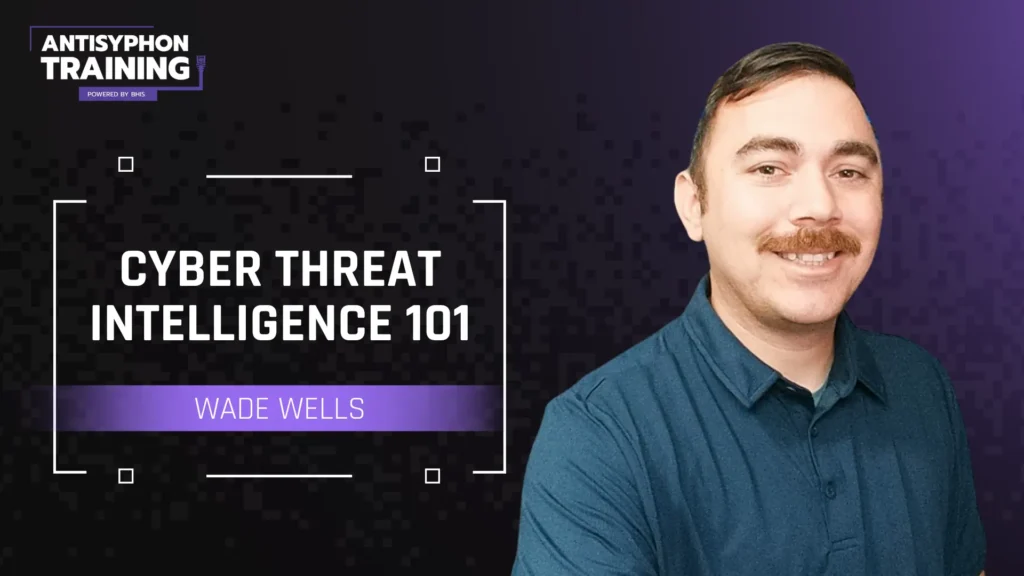
Cyber Threat Intelligence 101 2 Day Version

Course Authored by .

This comprehensive 2-day course on Threat Intelligence Management is designed for cybersecurity professionals who aspire to master the art of analyzing and mitigating cyber threats effectively.

Course Length: 16 Hours

Includes a Certificate of Completion


Next scheduled date: June 22nd, 2026 @ 10:00 AM ET

Description

This comprehensive 2-day course on Threat Intelligence Management is designed for cybersecurity professionals who aspire to master the art of analyzing and mitigating cyber threats effectively.

The curriculum covers a broad spectrum of topics from the foundational concepts of threat intelligence to advanced applications in various organizational contexts. Through a mix of theoretical knowledge and practical exercises, participants will learn to develop, manage, and implement an effective threat intelligence program tailored to their organization’s needs.

This class is less about tools and more about learning frameworks, process, and logic tools to provide intelligence.

What You’ll Learn

  • Learn CTI frameworks, analytic techniques, and cognitive‑bias mitigation strategies.

  • Develop the skills to transform raw data into actionable intelligence, craft effective PIRs, model threats, and profile adversaries.

  • Gain hands‑on experience with OSINT, dark‑web monitoring, OPSEC, AI‑assisted analysis, and sector‑specific intelligence use cases.

  • System Requirements
    • A computer with internet access and the ability to read documents (PDF, Office, Markdown).

Syllabus

Syllabus

    1. Introduction to Threat Intelligence
        • Defining Threat Intelligence: Understanding the nuances of threat intelligence and its application across various industries.

        • Applications Across Sectors: Explore the unique applications of threat intelligence in different sectors such as finance, healthcare, and government.

        • Data to Intelligence: Learn methodologies to transform raw data into actionable intelligence.

        • Intelligence Types: Detailed discussion on Tactical, Strategic, Operational, and Technical intelligence.

    1. Intelligence Frameworks and Protocols
        • Traffic Light Protocol: Guidelines for data sharing sensitivity.

        • Cyber Kill Chain and Diamond Model: Understanding attacker engagement sequences and the facets of an intrusion.

        • Pyramid of Pain and MITRE ATT&CK: Tactical approaches to understanding attacker behaviors and methodologies.

    1. Structured Analytic Techniques
        • Identification and Mitigation: Learn to identify common cognitive biases and strategies to mitigate their impact on intelligence analysis.

    1. Intelligence Life Cycle
        • Comprehensive Overview: From direction-setting to feedback integration, each phase of the intelligence lifecycle is explored, along with relevant tools and techniques for enhancement.

    1. Inventory and Asset Management
        • Internal Assessment: Techniques to inventory critical organizational assets and understand the attack surface.

        • Attack Surface Management Tools: Explore tools and techniques for effective management and threat assessment.

    1. Threat Modeling, Landscaping, and Profiling
        • Threat Modeling Techniques: Introduction to STRIDE, PASTA, and decision trees.

        • Threat Landscaping and Actor Profiling: Learn to define the threat landscape and profile potential threat actors based on intent and capabilities.

    1. Priority Intelligence Requirements (PIRs)
        • Development and Communication: Crafting effective PIRs and strategies for cross-departmental communication.

    1. AI and CTI
        • Language model usage for clustering, report generation

        • Threats from AI-assisted phishing, deepfakes

    1. Threat Intelligence Sharing Models
        • ISACs,

        • TLP application in trust groups

        • Barriers to sharing and building information exchange networks

    1. Open Source Intelligence (OSINT)
        • Intro to passive OSINT for infrastructure discovery

        • Tools: Spiderfoot, Maltego, Shodan, FOFA

        • Ethical/legal boundaries in collection

    1. Operational Security-
        • Understand the principles and importance of OPSEC in CTI work.

        • Recognize situations where poor OPSEC can lead to attribution, compromise, or adversary adaptation.

        • Apply safe practices when collecting, researching, or interacting with threat actor infrastructure or forums.

    1. Dark Web
        • Understand the structure and purpose of the dark web and deep web

        • Identify common platforms, marketplaces, and forums used by threat actors.

        • Learn safe, ethical, and legal methods for dark web monitoring.

        • Recognize the value of dark web intelligence in threat profiling, credential monitoring, and early breach detection.

    1. Advanced Intelligence Dissemination and Tools
        • Choosing Intelligence Vendors and Platforms: Criteria and best practices for selecting threat intelligence vendors and platforms.

        • Tools and Techniques: Exploration of dark web analysis tools, deception technology, note-taking methodologies, visualization tools, and domain intelligence.

FAQ

Skill Level

Beginner to early-intermediate — designed for new SOC analysts, IT staff, and security-adjacent professionals stepping into CTI for the first time.

Prerequisites

General familiarity with how the internet and basic IT/security concepts work — no prior CTI, scripting, or tooling experience required.

Who Should Attend

New and aspiring CTI analysts, SOC analysts, IT and security-adjacent staff, and security leaders who want a practical foundation in threat intelligence.

Key Takeaways

Fluency in the major CTI frameworks (Kill Chain, Diamond, ATT&CK, F3EAD), the intelligence lifecycle, adversary profiling, OPSEC discipline, dark-web ecosystem literacy, and OSINT tradecraft — applied through ten hands-on labs anchored in a running case study.

Why Take This Class?

It’s a complete, modern, practitioner-built CTI curriculum that takes you from “what is intel?” to confidently producing sourced, defensible intelligence products your CISO will actually use.

About the Instructor

Pixel splash background
"Wondering in the logs"
Bio

Wade Wells is the Lead Detection Engineer for a Fortune 30 financial company. He has worked for eight years in security operations, performing threat hunting, cyber threat intelligence, and detection engineering, primarily in the financial sector. ​Active in the cybersecurity community, Wade frequently speaks at prominent industry events and is involved with several security-focused organizations.

Register for Upcoming

Threat Hunting Summit: Cyber Threat Intelligence 101 2 Day Version

Live Training Wade Wells

Includes:

  • Free ticket to the Antisyphon Training Threat Hunting Summit on June 17, 2026, a virtual event that offers a practical, real-world look at how to become a more effective defender. More details here.
  • Certificate of participation
  • Six months access to class recordings
  • Our appreciation

$575
June 22, 2026 10:00 am - June 23, 2026 6:00 pm ET
Shopping Cart

No products in the cart.